
As Iowa farmers and ethanol producers continue navigating one of the toughest economic environments in years, Summit Carbon Solutions announced this week that it is streamlining portions of its Iowa pipeline project in an effort to accelerate progress and focus on the strongest path forward.
The updated filing with the Iowa Utilities Commission reduces the overall project footprint by approximately 200 miles and removes more than 400 landowners from the proposed route. Several route segments in western and northern Iowa counties will no longer be pursued as part of the current phase of the project.
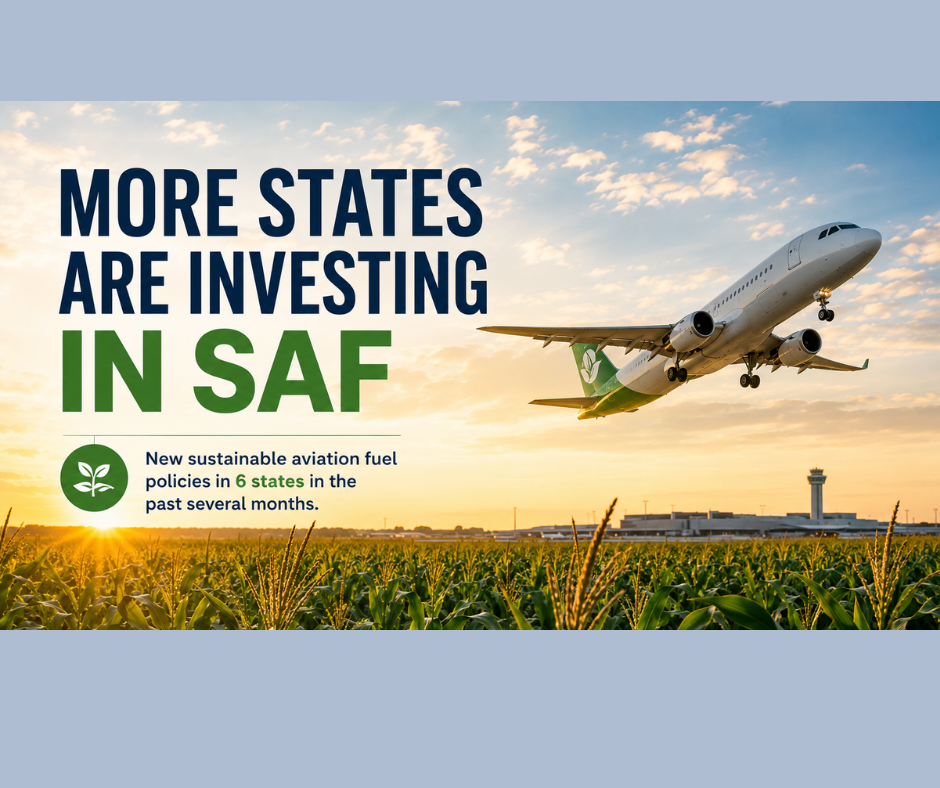
Even with the refinements, the project will continue serving a strong core network of ethanol facilities, including 27 Iowa plants, while maintaining its broader mission of connecting Iowa ethanol producers to emerging low-carbon fuel markets like sustainable aviation fuel (SAF).
For many in agriculture, the announcement reflects the difficult economic reality facing rural America today. Input costs remain high, commodity prices remain under pressure, and farmers are increasingly looking for long-term market certainty instead of short-term fixes.
“Today’s Summit Carbon Solutions announcement reflects the economic reality facing agriculture right now,” said Tom Buis, CEO of the American Carbon Alliance.
“Farmers and ethanol producers are under tremendous pressure, and projects like this are about creating long-term market opportunities at a time when many in rural America are simply trying to stay afloat through one of the toughest farm economies in decades.”
“While the footprint may be smaller, the mission remains the same: strengthening demand for American agriculture, supporting domestic energy production, and ensuring ethanol producers can compete in emerging markets like sustainable aviation fuel. This is still a transformational infrastructure investment for Iowa and the future of rural communities.”
The company said the updated approach is designed to simplify the regulatory process while keeping the most economically viable portions of the system moving forward. Summit also emphasized that future expansion opportunities remain possible as market demand evolves.
The broader conversation surrounding carbon capture and ethanol infrastructure continues to center on the future competitiveness of American agriculture. As global demand grows for lower-carbon fuels in aviation, shipping, and other sectors, ethanol producers increasingly face pressure to reduce carbon intensity in order to access new markets.
That pressure is no longer theoretical.
This week alone, shipping giant Maersk announced the successful completion of a vessel voyage powered entirely by ethanol, highlighting the growing role biofuels could play beyond traditional transportation markets.
For Iowa agriculture, the stakes remain significant. Supporters argue infrastructure projects like Summit are ultimately about preserving and expanding market access for ethanol producers and ensuring rural communities remain economically competitive in a rapidly changing global energy landscape.