Carbon Intensity Is Becoming Part of the Market Conversation. Here’s Why It Matters.
For generations, agricultural commodities have been valued by familiar measures such as yield, quality, weight, and price. Increasingly, another measure is entering the conversation: carbon intensity.
The term may sound technical, but the basic idea is straightforward. Carbon intensity measures the greenhouse gas emissions associated with producing and using a product. For fuels, that means looking beyond what comes out of an engine and considering the full life cycle, from growing and transporting the feedstock to producing, delivering, and using the finished fuel.
Lower carbon intensity can make a fuel more valuable in markets seeking to reduce emissions. That creates an important opportunity for American agriculture.
Why Carbon Intensity Matters to Agriculture
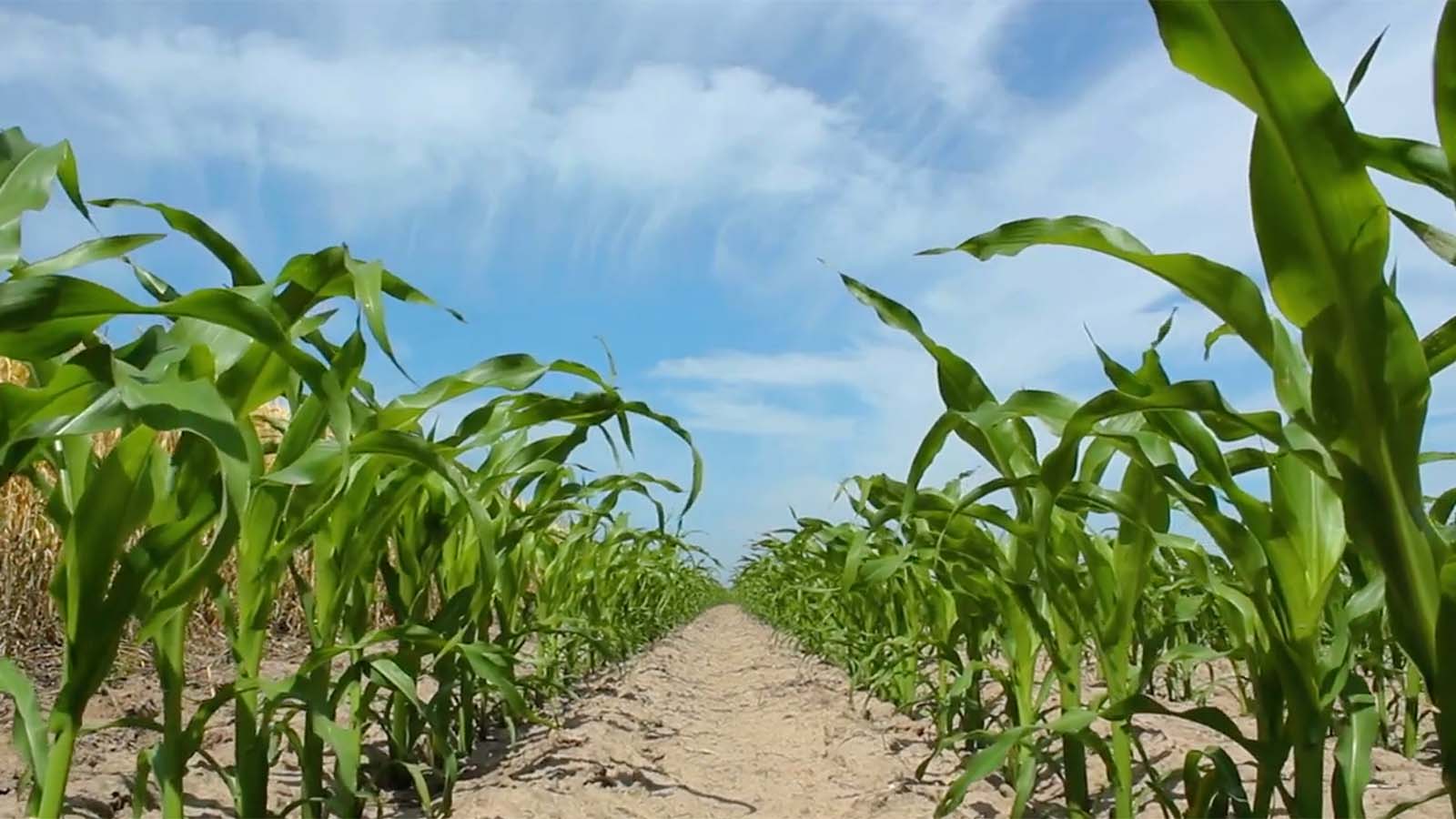
Corn is already used to produce ethanol that powers vehicles across the country. As demand grows for lower-carbon fuels for cars, trucks, aircraft, and ships, the carbon intensity of that ethanol will help determine which new markets it can reach and how competitive it will be.
This is especially important for sustainable aviation fuel. Airlines and fuel producers are looking for dependable domestic feedstocks that can be produced at scale. American agriculture can help meet that demand, but the carbon intensity of the finished fuel will be a major part of the equation.
That is why decisions made across the supply chain matter. Farming practices, fertilizer use, transportation, energy used at an ethanol plant, and carbon management can all affect the final score.
Where Carbon Capture Fits
Ethanol production creates a highly concentrated stream of carbon dioxide during fermentation. Capturing that carbon dioxide before it reaches the atmosphere can significantly reduce the carbon intensity of ethanol.
That lower score can help ethanol compete for additional uses beyond today’s motor-fuel market, including aviation and potentially marine fuel. In other words, carbon capture is not simply about managing emissions. It is also infrastructure that can connect corn and ethanol to growing energy markets.
For farmers, those markets matter. Creating additional sources of demand strengthens the entire value chain, from the farm to the ethanol plant and the communities that depend on both.
Getting the Measurement Right
Carbon intensity is calculated through life-cycle analysis. Models such as the Department of Energy’s GREET model examine the energy use and emissions associated with a fuel throughout its life cycle.
The details matter. A system that accurately recognizes improvements made on farms and at ethanol plants gives producers a reason to keep investing, innovating, and lowering emissions. A system that relies on overly broad assumptions can miss those real-world gains.
Farmers and ethanol producers should receive credit for the practices and technologies they actually use. Clear, consistent, and science-based measurements will be essential if carbon intensity is going to serve as a meaningful market signal.
A Market Opportunity, Not Just a Metric
Carbon intensity may sound like one more number on a spreadsheet. In reality, it can influence whether American ethanol qualifies for new markets, whether producers can earn a premium for lower-carbon fuel, and whether farmers have access to stronger long-term demand.
American agriculture has the feedstocks, production capacity, and ingenuity to compete. Carbon capture can help bring those strengths together and turn lower carbon intensity into real economic opportunity.
That is the bigger picture. When agriculture has access to more markets, farmers, rural communities, and America’s energy security all benefit.